

An Introduction to Uterine Polyps and Fertility
At Indiana Fertility Institute (IFI), we know that navigating fertility concerns can feel overwhelming. This blog is designed as an introductory guide for patients who want to understand uterine polyps—what they are, why they matter, and how they can affect your ability to conceive. Our goal is to provide clear, patient-friendly information so you feel informed and empowered as you plan your next steps.
What Are Uterine Polyps?
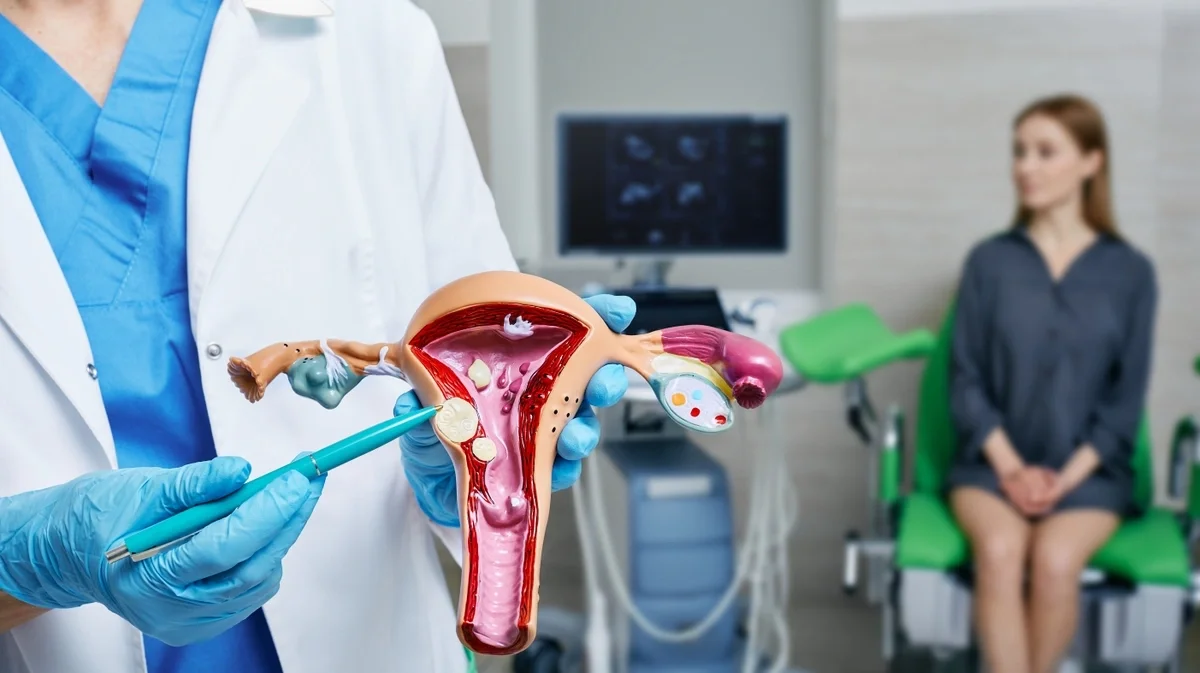
Uterine polyps, also called endometrial polyps, are small growths that develop in the lining of the uterus (endometrium). They can vary in size from a few millimeters (like a sesame seed) to several centimeters (similar to a golf ball). Polyps may attach to the uterine wall by a thin stalk or a broad base.
Most polyps are benign (noncancerous), but in rare cases, they can become precancerous or cancerous—especially in postmenopausal women. While they often cause no symptoms, some patients experience irregular menstrual bleeding, spotting between periods, or heavier cycles.
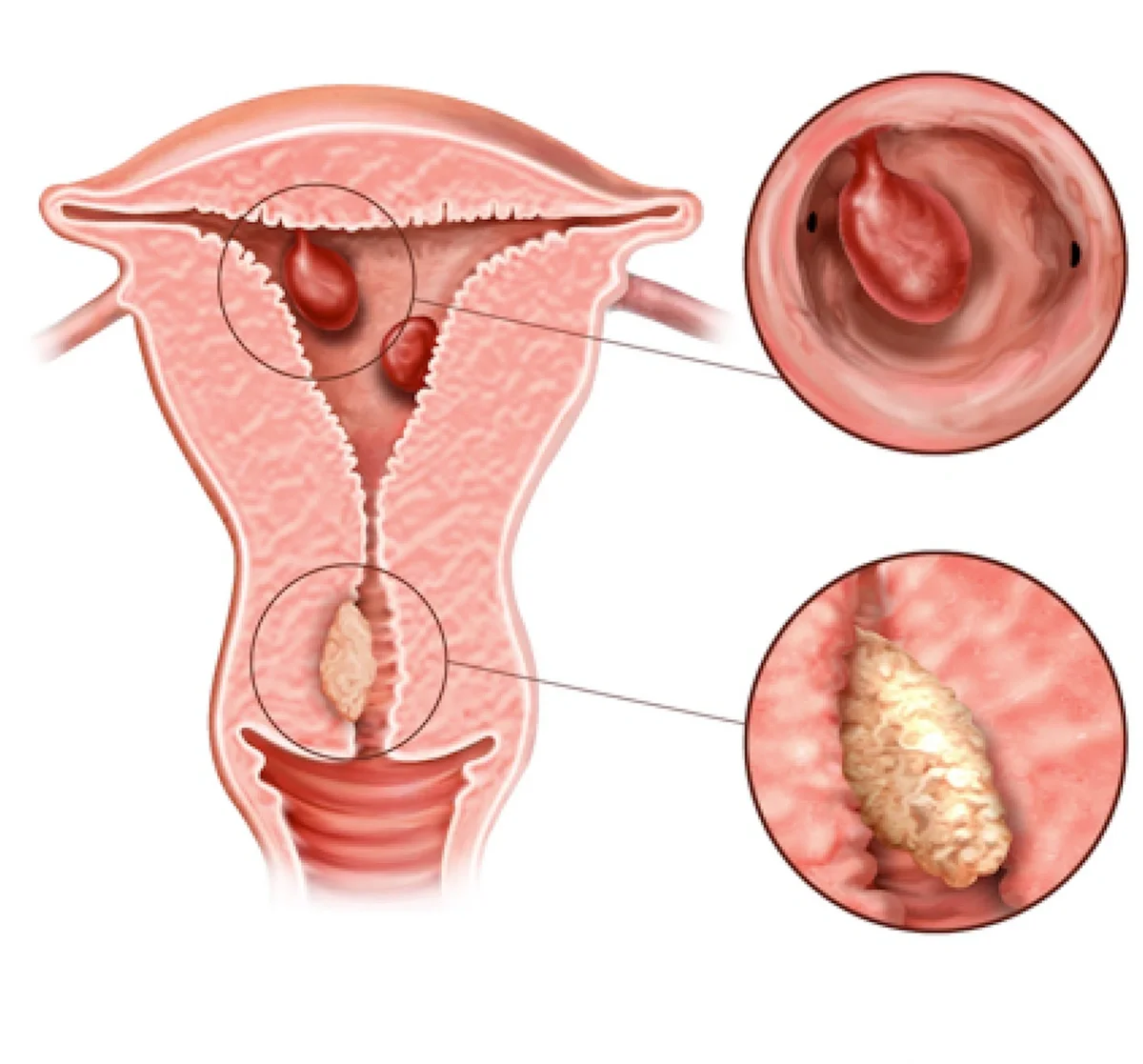
Illustration of uterine polyps
Risk Factors for Uterine Polyps
Certain factors can increase your likelihood of developing uterine polyps, including:
-
Hormonal Imbalances: Excess estrogen can stimulate growth of the uterine lining.
-
Age: Polyps are most common in women in their 40s and 50s.
-
Obesity and High Blood Pressure: Both are linked to hormonal changes that may promote polyp formation.
-
Medications: Drugs like tamoxifen (used for breast cancer treatment) can increase risk.
Understanding these risk factors can help patients and providers take proactive steps in monitoring and managing reproductive health.
Why Can Uterine Polyps Cause Infertility?
Polyps can interfere with conception in several ways:
-
Physical Obstruction: Large polyps may block the cervical canal or fallopian tube openings, preventing sperm from reaching the egg.
-
Implantation Challenges: Polyps can distort the uterine cavity or create inflammation, making it harder for an embryo to implant successfully.
-
Hormonal Disruption: They may alter local hormone signaling, which is critical for early pregnancy.
Research shows that removing polyps can significantly improve pregnancy rates—up to 63% compared to 28% when polyps remain untreated. For patients undergoing fertility treatments like in vitro fertilization (IVF) or intrauterine insemination (IUI), addressing polyps is often a key step toward success.
How Do We Test for Uterine Polyps?
Diagnosis typically begins during a fertility evaluation or when symptoms like irregular bleeding appear. Common tests include:
-
Transvaginal Ultrasound: Uses sound waves to create images of the uterus.
-
Sonohysterography: Saline is introduced into the uterus during ultrasound for clearer visualization.
-
Hysteroscopy: A thin, lighted scope inserted through the cervix allows direct viewing and removal of polyps.
-
Hysterosalpingogram (HSG): An X-ray with contrast dye to assess uterine shape and fallopian tube patency. You can learn about this diagnostic test in our dedicated blog.
-
Endometrial Biopsy: May confirm polyps but can miss them; tissue analysis rules out cancer.
Treatment Options
Treatment depends on symptoms, size, and fertility goals of each individual patient:
-
Watchful Waiting: Small, symptom-free polyps may resolve on their own.
-
Medication: Hormonal therapies (progestins, GnRH agonists) can reduce symptoms but are temporary solutions.
-
Surgical Removal: A hysteroscopic polypectomy is the gold standard. This minimally invasive procedure uses a thin, lighted instrument called a hysteroscope, which is inserted through the vagina and cervix into the uterus. The hysteroscope allows your doctor to see the inside of the uterine cavity in real time, ensuring accurate removal of polyps without damaging surrounding tissue.
For patients planning IVF or IUI, hysteroscopic polypectomy is often recommended before starting treatment to optimize the uterine environment.

Image of hysteroscopy scope
Ready to Take the Next Step?
If you suspect uterine polyps or have been struggling with infertility, Indiana Fertility Institute is here to help. Our team offers advanced diagnostic tools and personalized treatment plans to support your journey to parenthood.
Schedule a consultation online to learn more about your options!